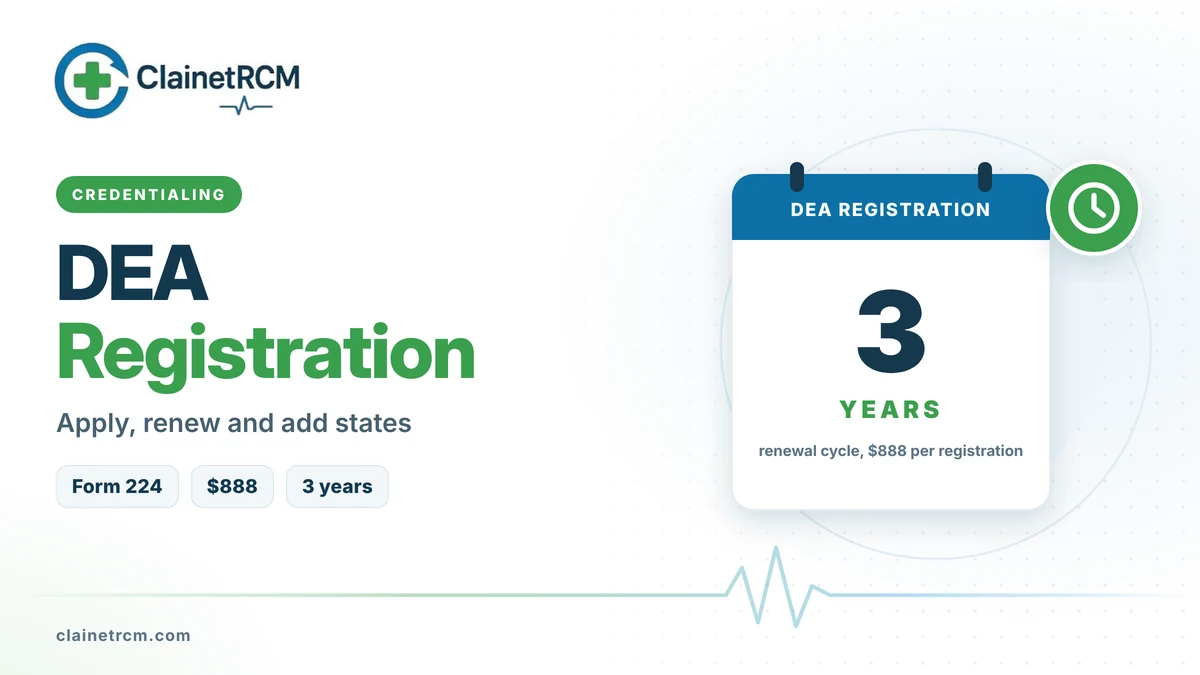
DEA registration is required for any practitioner who prescribes, administers or dispenses controlled substances in the United States. Physicians, nurse practitioners, physician assistants, dentists and other clinicians whose state license allows controlled substance prescribing all need one, and so do clinics that store and administer controlled drugs. This guide covers how to apply, what it costs, renewing every three years, registering in more than one state and the telemedicine rules heading into 2027.
Quick answer: Apply online with DEA Form 224 after you hold an active state license and, where your state requires it, a state controlled substance registration. The fee is $888 for a three-year registration, and you renew online with Form 224a. A registration generally covers one state, so you need a separate registration in each state where you prescribe, administer or dispense controlled substances. New and renewing registrants also attest to the one-time, eight-hour MATE Act training. Telemedicine prescribing flexibilities run through December 31, 2026, and DEA’s final special registration rule has been under White House review since August 2026.
DEA Registration at a Glance
| Item | Details |
|---|---|
| New application | DEA Form 224, filed online |
| Renewal | DEA Form 224a, filed online |
| Fee | $888 per registration |
| Term | Three years |
| Who uses Form 224 | Practitioners, mid-level practitioners, hospitals and clinics, retail pharmacies and teaching institutions |
| Fee-exempt | Certain federal, state and local government and military practitioners, when they qualify |
Before You Apply
- Hold an active state license in the state where you will practice.
- Get the state controlled substance registration first if your state requires one. Some states issue their own registration, and DEA will not approve your federal registration until the state one is in place.
- Use a practice address in that state. DEA registration is tied to the address where you practice, not your home.
- Know your authorized schedules. Your state law decides which schedules you can handle. Physicians usually register for schedules 2, 2N, 3, 3N, 4 and 5. Nurse practitioners and physician assistants register as mid-level practitioners and are limited to the schedules their state allows.
How to Apply for DEA Registration
- Go to the DEA Diversion Control Division’s online registration site and choose a new application, Form 224.
- Select your business activity, such as practitioner or mid-level practitioner, and your schedules.
- Enter your state license and state controlled substance registration numbers, practice address and contact email.
- Answer the background questions and complete the MATE Act training attestation.
- Pay the $888 fee by card, unless you qualify as fee-exempt.
- Watch your email. DEA verifies your state authority and issues your registration number and certificate when approved.
Processing time varies, and it is longer when DEA must confirm state authority or answers to background questions. Apply as soon as your state license and state registration are active.
The MATE Act Training Requirement
Since June 27, 2023, practitioners must attest on their DEA application or first renewal on or after that date that they completed a one-time, eight-hour training on treating and managing patients with opioid or other substance use disorders. The training can be split into sessions, and past training, including the old buprenorphine waiver course, counts. Physicians board certified in addiction medicine or addiction psychiatry are exempt, as are practitioners who recently graduated from programs whose curriculum covered the required hours. The same 2022 law removed the separate X-waiver, so any practitioner with a standard registration that includes Schedule III can prescribe buprenorphine for opioid use disorder.
Renewing Every Three Years
- Watch for email notices. DEA sends renewal reminders by email in the weeks before your expiration date, so keep your email address current.
- Renew online with Form 224a before the expiration date. If you file a renewal on time, you can keep practicing under the registration until DEA acts on it.
- Do not let it lapse. Federal law bars handling controlled substances under an expired registration. DEA has allowed reinstatement for a short window after expiration, but after that you must apply as a new registrant, and prescriptions written while expired can bring enforcement action.
- Update your registration when your practice address, name or schedules change.
Registering in More Than One State
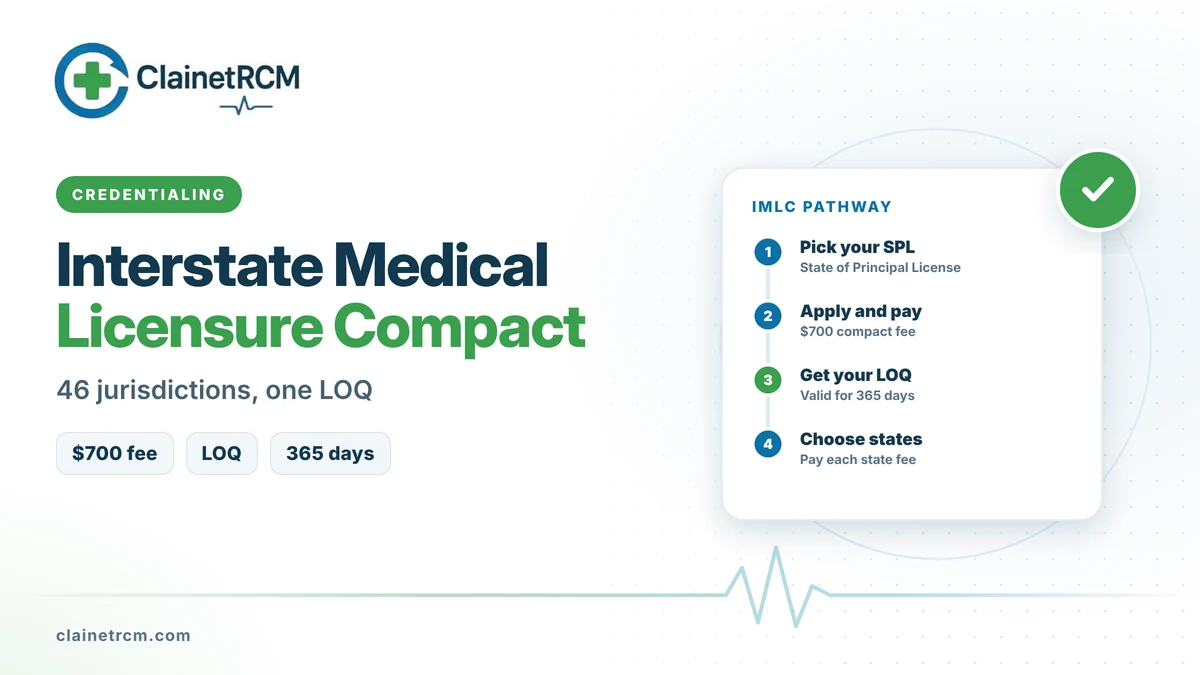
A DEA registration covers controlled substance activity in one state. If you practice in several states, you generally need a separate registration, with its own fee, for each state where you prescribe, administer or dispense controlled substances. Each new state also means a state license and, where required, a state controlled substance registration. Physicians adding states through the Interstate Medical Licensure Compact should plan DEA and state registrations at the same time as the license.
Telemedicine Prescribing in 2026 and 2027
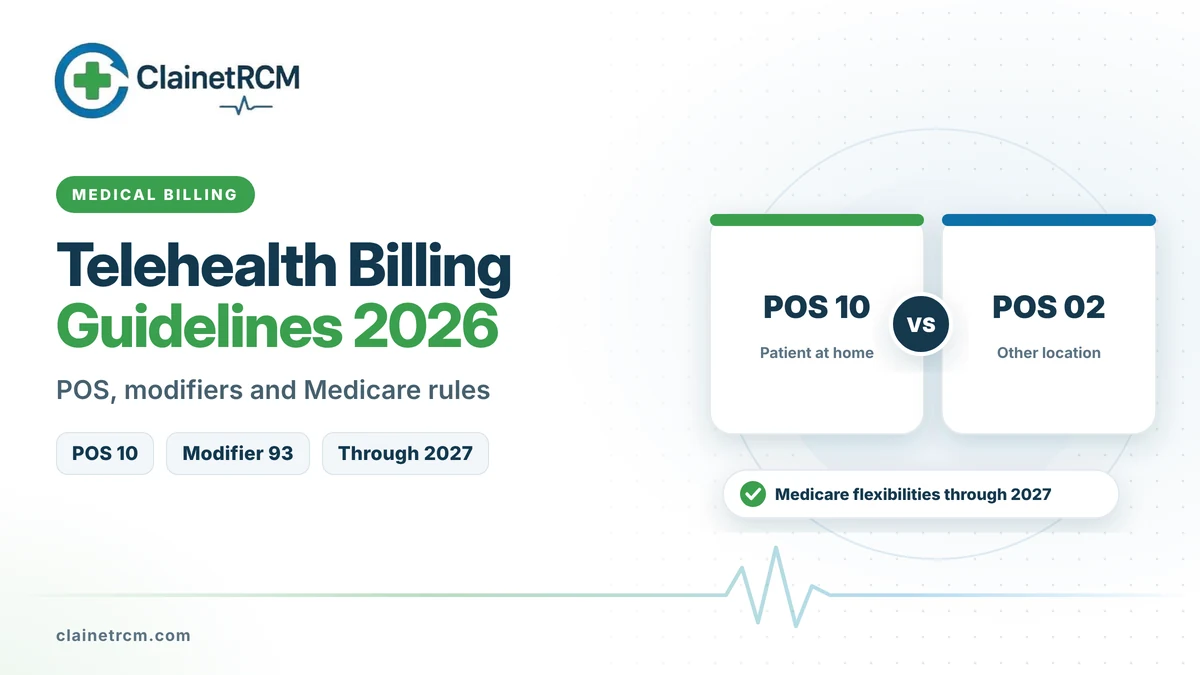
Federal law generally requires an in-person medical evaluation before prescribing controlled substances, with limited exceptions. Since the COVID-19 public health emergency, DEA and HHS have repeatedly extended temporary flexibilities that let registered practitioners prescribe controlled substances by telemedicine without a prior in-person visit. The current extension runs through December 31, 2026.
The long-awaited special registration for telemedicine is the next step. DEA proposed three registration types in January 2025: a telemedicine prescribing registration, an advanced telemedicine prescribing registration and a telemedicine platform registration, along with state-level telemedicine registrations. DEA sent a final rule to the White House Office of Management and Budget for review on August 25, 2026, and its text had not been made public as of late October 2026. Telehealth practices should watch for the final rule or another extension, budget for new registration requirements, and confirm state laws in every state where patients are located.
Practice-Level Obligations
- Register each location where you store or dispense controlled substances.
- Store controlled substances securely and limit access.
- Keep records of everything received, administered and dispensed, and take a full inventory at least every two years.
- Order Schedule II drugs with DEA Form 222 or the electronic ordering system.
- Report theft or significant loss to DEA promptly using DEA Form 106.
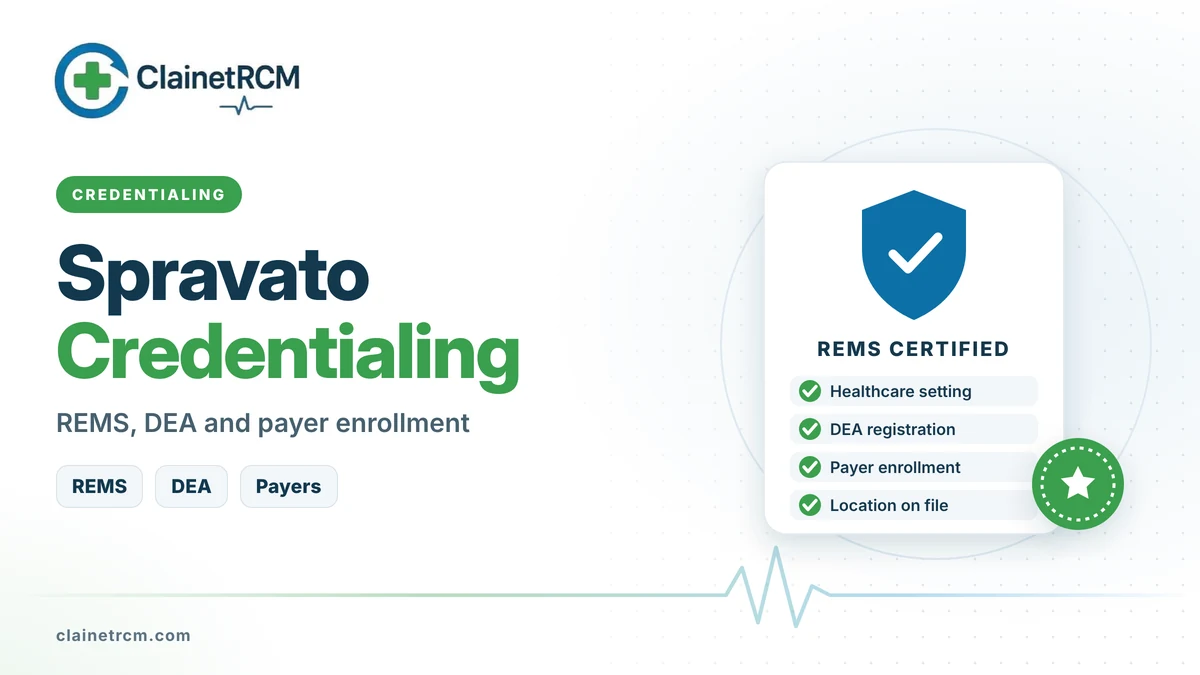
- For Spravato, the esketamine nasal spray is a Schedule III drug given under a REMS program in certified healthcare settings, so the treatment site needs a DEA registration that covers Schedule III along with its REMS certification.
Frequently Asked Questions
It varies. Approval can be quick when your state license and any state registration are active and verified, and slower when DEA must confirm details.
The fee is $888 for a three-year registration for practitioners, for both new applications and renewals. Certain government and military practitioners are fee-exempt.
Generally yes. You need a separate registration for each state where you prescribe, administer or dispense controlled substances.
Yes, if their state allows them to prescribe controlled substances. They register as mid-level practitioners, limited to the schedules their state authorizes.
A one-time, eight-hour training on substance use disorders that practitioners attest to on their first DEA application or renewal on or after June 27, 2023.
That depends on whether DEA finalizes its special registration rule or extends the current flexibilities. Watch for DEA’s announcement and plan for possible new registration steps.
Final Thoughts
DEA registration is simple to get and easy to lose through a missed renewal, a move or a new state you forgot to register in. Track every registration and renewal date, keep state registrations in step, and watch the telemedicine rules closely as 2027 approaches. Our provider licensing services manage DEA and state registrations alongside your licenses. If you are opening a Spravato program, read our guide to Spravato credentialing.
Keep Your DEA Registrations Current
We file new DEA registrations and state controlled substance registrations, track every renewal date and update addresses before they cause problems.
Get DEA Registration Help
Written by
ClainetRCM Billing Team
ClainetRCM is a Boston-based revenue cycle management company specializing in medical billing, coding, credentialing and denial management for healthcare providers across all 50 states. Our AAPC and AHIMA certified team works inside your existing EHR, files claims within 24 to 48 hours and reviews every AR bucket on a 14-day cycle.